

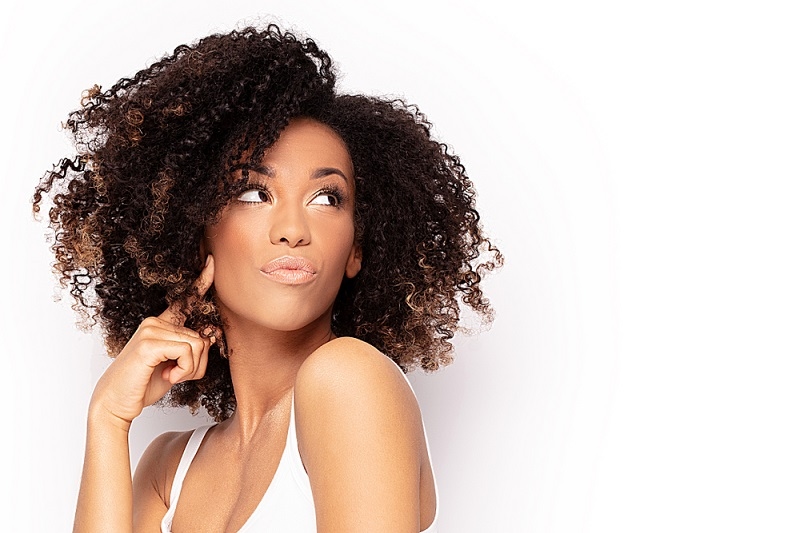
Teen years are coming with their new habits and interests, surely with new hair problems too. Learning how to take care of themselves properly during these exciting yet overwhelming times, American teens naturally have curly hair. For the most part, curly hair is different; it calls out for more moisturizing, more tender treatment, and consistency. When not instructed properly, teens often find themselves in a sea of frizz, dryness, breakage, or curls just refusing to behave as wanted.
Thankfully, the right curls routine can turn those messiest of mornings into confident curl days. Whether that teen has tight and tiny coils, soft waves, or springy ringlets, the same goal exists: nourishing hair, protecting the curl pattern, and establishing a routine to help support healthy natural curls. Here is a breakdown of teenage curly hair care from daily washing habits to long-term frizz control strategies for making awesome, frizz-free curls.
It changes everything, including hair. Teens are in a flux of hormonal changes, which makes oil production, scalp sensitivity, and even curl pattern go topsy-turvy. A routine that has been working during your childhood can suddenly stop working, which leads to frizz, dryness, and unpredictability.
This is where proper care for curly teenage hair matters. Due to its spiral shape, hair with curls can easily lose moisture since natural oils find it more difficult to make their way down the strand. Therefore, curly hair has its own demands: more hydration, more gentle products, and styling that supports definition, not inducing damage.
This helps them navigate life's changes with confidence, building a routine for healthy curls that keeps their natural curl strong yet soft.
Correct hydration is one of the basic cares that one should follow for curly hair in teenagers. It is common for most teenagers to fall into overwashing or using inappropriate shampoos, which strip their hair of its natural oils, creating frizz, dryness, and poorly defined curls.
A robust moisture strategy will include:
Conditioning moisturizes curls; conditioner adds water back and then locks in softness. Even teens with naturally dry curls may still benefit from using a rinse-out conditioner, followed by a leave-in conditioner for extra hydration.
But with a weekly deep conditioner or hair mask, the frizz is held at bay, and hair shafts are strengthened.
Having a basic daily and weekly curls routine helps give structure to care in a way that can feel manageable for teenagers. The routine does not have to be complicated; consistency matters so much more than the level of complexity.
A teenage curl routine is built on protective habits: sleeping on satin pillowcases, refraining from rough towel drying. The natural curls continue to stay manageable, hydrated, and full of bounce.
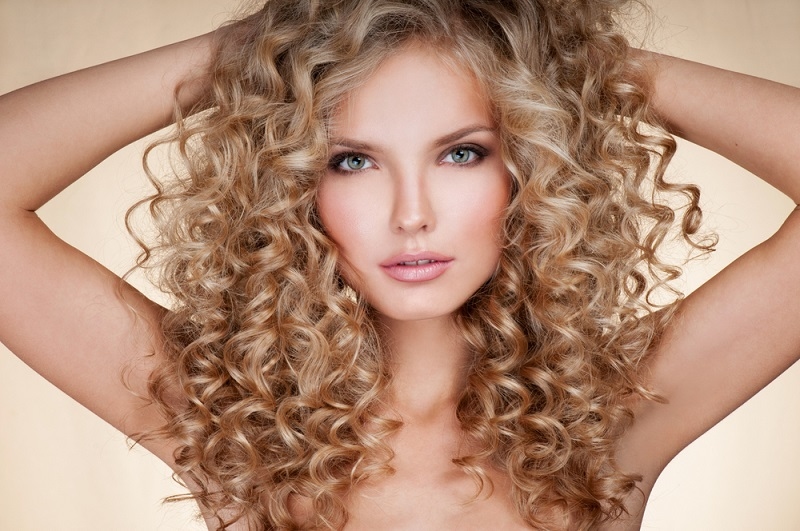
Frizz is just about the most common complaint among all teens relating to curly hair. Humidity, dryness, friction, and harsh products can make curls puff out. The good news? Proper frizz control actually all just starts with making the right choices.
One should not fear frizz. With mindful habits of frizz control, it's possible for teens to have smooth, pretty curls all week.
This is a big part of caring for teenagers' curly hair, but usually, teens do something wrong to cause breakage. The curls need very gentle handling; every twist and bend of the curl is a weak point.
Good detangling skills maintain the healthiness of the natural curls and reduce split ends, therefore making the entire routine of curls easier in the long run.
Good styling tips can turn curly hair from unpredictable to consistently gorgeous. Of course, most teens find out by trial and error, but a few basic styling rules apply for just about every curl type.
If teenagers can follow these styling tips, it will make all the difference in how their natural curls look day in and day out. Proper styling is also an important part of frizz control, especially when the weather happens to be very humid or very dry.
More than most teenagers realize, nighttime routines create better or worse curls by day. Friction in cotton pillowcases can cause tangling and frizz. Protective sleep routines are part of basic care for curls in a teenager.
Tips for Protection at Night
These little changes make all the difference in natural curls and make mornings quite easy with minimal frizz and tangles.
Sometimes, learning what not to do is as important as the best techniques. Some mistakes can just negate all the hard work invested in a good, strong curls routine.
These, once corrected, will help teens maintain long-lasting, frizz-free natural curls. Healthy hair serves as a booster of confidence, especially to teenagers who are just finding their personal style. Good teenage curly hair care is not just about frizz control or trying on styles; it's about understanding how curls naturally behave and learning to love their uniqueness.
Teens who commit to keeping curls moisturized, follow a reliable curls routine, and use the right styling tips find over time that curls become easier to manage. Frizz reduces, definition improves, and the overall health of the hair strengthens. Better habits lead to better hair days, whatever the weather or season.
It does not have to be puzzling or overwhelming to have curly hair as a teenager. If teens set up good practices in hydration, careful detangling, wise styling, and regular frizz management, then they will enjoy soft, bouncy, well-defined curls every day. It allows them to learn the basics for caring about curly hair, work their way through an encouraging curls routine, and embrace the beauty of natural curls. Teens will achieve much more than great hair: they will gain increased confidence. Of course, with a little patience, pretty frizz-free curls are definitely achievable.
Teens washing curly hair should do so about 2–3 times a week. This is because frequent washing could strip away all the natural oils and therefore lead to dryness, frizz, and a lack of definition in the curls. And this is best done with a sulfate-free shampoo.
Some of the best ways of preventing frizz include microfiber towels, a leave-in conditioner, avoidance of brushes on dry hair, and styling curls while they are wet. Consistent moisture is the secret to frizz-free curls.
Teens may use heat tools on natural curls, but they should be used very rarely and with a heat protector. Flat irons and blowers, upon constant use, diminish the strength of curls and lead to permanent damage. A safer way to enhance curl shape is to use a diffuser on low heat.
This content was created by AI