


The teen years are all about waves of change-new routines, new responsibilities, and definitely new skin experiences. From sudden breakouts and dryness in winter to excess shine in summer, teens across the nation often seek to get things right. That is why learning about the right teen moisturizing tips matters. Moisturizing is not optional; it is an important task for protecting the skin barrier from irritation and keeping it balanced through all seasons.
Below, several tips for hydrating teens are elucidated: how hydrating skin care, lightweight lotions, oily skin moisturizer options, and dry skin care routines combine in maintaining healthy hydration of teens' skin throughout the year.
Teen skin is special. While your hormones may kick into high gear and get your skin oily, seasonal weather, indoor heating, air conditioning, and sun exposure can be drying to skin or act as an irritant. A daily skin-care routine with hydrating skincare will keep your skin resistant and strong.
Even teenagers with oily or acne-prone skin need a moisturizer. Most think that not wearing it keeps them less oily, though, in reality, this overworks the skin, which is then forced to oil up even more. Application of the right oily skin moisturizer helps rebalance the skin and may even help prevent outbreaks caused by dehydration.
Meanwhile, dry skincare routines that provide cushion and moisture are in very much-needed use for teens with dryness, flakiness, or irritation. A simple routine will help keep the hydration of teen skin steady, using lightweight lotions, gel creams, or even richer formulas, depending on the season.
The best moisturizing tips for teens are centered on skin type. Here's how to choose and layer products that keep moisture balanced every month of the year.
Teens with oily or combination skin can pretty much count on being greasy by midday throughout the warmer states or more humid climates. The right oily skin moisturizer keeps skin balanced without clogging pores.
The best moisturizing practices include:
These steps incorporated ensure skin care that hydrates and supports clarity and balance throughout the year.
Cold winters, hot showers, and indoor heating can leave teenagers' skin feeling tight and flaky. A good dry skin care routine focuses on replacing moisture and keeping a healthy skin barrier.
The best practices for moisturizing include:
This will help a lot of teenagers, most especially those with dry skin, to be more comfortable and retain moisture by adjusting their routine according to the season.
Combination skin means oily areas around the T-zone and dryness on the cheeks. That is a very common skin type for U.S. teens.
Best moisturizing behavior:
Skin needs to change with the seasons. Here's how teen moisturizing tips change according to the weather:
Spring brings changes in humidity and, generally, with it, more outdoor activities. Teens need to find a new, breathable routine.
Spring moisturizing tips:
This is a very excellent time to make changes in your routine and rebalance the skin barrier.
Therefore, summers that are hot and humid really amplify the amount of sweat and oil your body produces; hence, oil-free hydrating skin care is very important.
Summer moisturizing tips:
It prevents dehydration and irritation, even during summer seasons.
Dryer air means skin loses moisture a lot more quickly, meaning fall routines tend to focus on bringing nourishment back into the skin.
Fall moisturizing tips:
Since fall is more of a transitional season, adopting better hydration habits becomes highly important.
Cold weather, wind, and indoor heating contribute to major moisture loss. A good dry skin care routine becomes very important in this regard.
Winter moisturizing tips:
Since extra attention is required during winter, hydration-focused teen moisturizing tips will help.
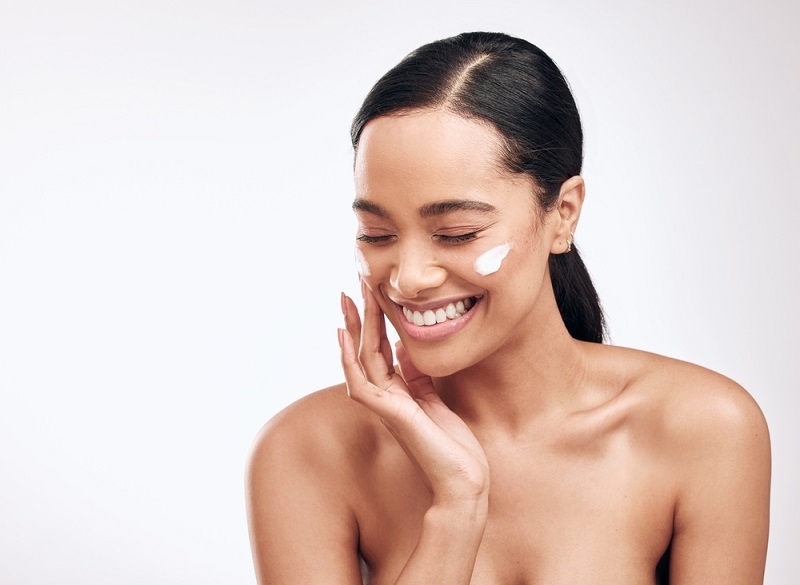
Understanding what goes into skin care will further empower a teenager to develop an appropriate routine. Whether lightweight lotions, oily skin moisturizer alternatives, or dry-skin formulae, these ingredients will support the right balance throughout the year.
Ingredients suitable for all skin types:
These ingredients will perfectly fit into all kinds of hydrating skincare routines for teens.
No, teens are not obliged to follow some kind of complicated skin care routine; instead, the best results usually come through a pretty basic set of steps. Here are some easy teen moisturizing tips that help one build a routine that can work every day throughout the year.
More than what goes on the skin, good moisturization is also about daily habits.
Such measures help reduce dryness and irritation resulting from environmental exposure. These are the habits that shall keep the skin of teens healthy and steadily hydrated throughout the year.
Healthy skin does not have to be complicated. With the right teen moisturizing tips, every teen can keep their skin balanced, comfortable, and confident all year long. Be it someone who requires dry skin care, who only prefers light lotions, or depends on some oily skin moisturizer, the goal remains simple: consistent and efficient hydrating skin care that supports strong teens' skin hydration in every season. And with several tweaks, together with the proper ingredients, moisturizing is an easy and important habit that leaves the teen's skin radiant when it rains or shines.
Yes, definitely. Though your skin does tend to be excessively oily, the use of a moisturizer is a must. Application of an oily skin moisturizer prevents dehydration, reduces overproduction of oil, and maintains the skin barrier healthy. Look for light lotions or gel-based formulas that fit well in hydrating routines.
The richer creams or barrier-focused formulas have been beneficial for teens with dryness. An effective dry skincare routine includes the incorporation of moisturizers; these may contain active ingredients boosting skin hydration, including ceramides, glycerin, or hyaluronic acid in teens. Applying moisturizer on slightly damp skin enhances its absorption and comfort.
Most dermatologists recommend moisturizing twice daily, once in the morning and at night. This will keep the teenagers' skin uniformly hydrated day in and day out. Using light lotions during warm weather and slightly heavier creams in winter balances it all year for every skin type.
This content was created by AI