

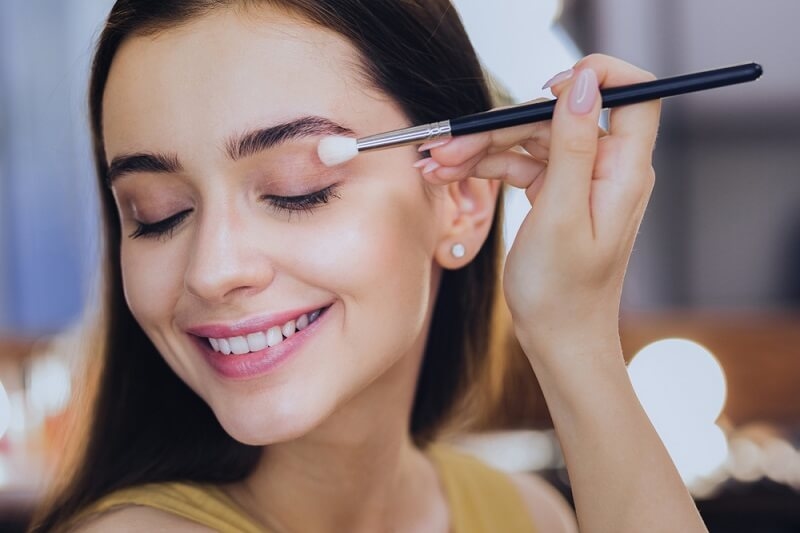
A beginner makeup tutorial should feel simple, steady, and friendly for learners trying makeup for the first time. Many young people look for teen makeup basics that feel easy and safe. Others want a natural makeup look that keeps things light without heavy layers. Here’s the thing: makeup can look soft and still boost confidence with just a few products. Early learners often use simple makeup steps to build their skills, and many also aspire to a no-makeup makeup style that suits daytime routines. The guide below breaks everything down, making each step feel less confusing and more enjoyable.
The initial steps towards creating beautiful makeup occur before applying the actual color or brush. Properly preparing the skin enables the proper placement, appearance, and extended wear of makeup.
For beginning makeup tutorials, this can be simplified so that young women and those new to makeup will not feel overwhelmed by the numerous steps involved.
Basic preparation techniques include:
The importance of skin preparation cannot be overstated; each simple step performed correctly gives the finished product an overall natural appearance and a comfortable feel. Healthy skin is the foundation of many adolescent and teenage makeup procedures, making all future processes much easier.
Let’s break it down. Teen makeup basics focus on gentle, routine-based applications. Younger skin needs soft products without strong scents. A natural makeup look also works better with light layers that still let freckles or skin texture show.
Key points in teen-friendly routines include:
These steps help teens practice without stress. The goal stays simple: healthy skin, soft color, and comfort.
Easy makeup steps help new users feel steady and calm while practicing. What this really means is that makeup becomes more enjoyable when the routine feels like a flow rather than a chore. These steps also guide users toward a daytime makeup routine that’s light enough for school, outings, or casual plans.
A helpful order includes:
This list provides structure to a beginner makeup tutorial without putting pressure on you. It’s also great for those who want the no-makeup makeup effect.
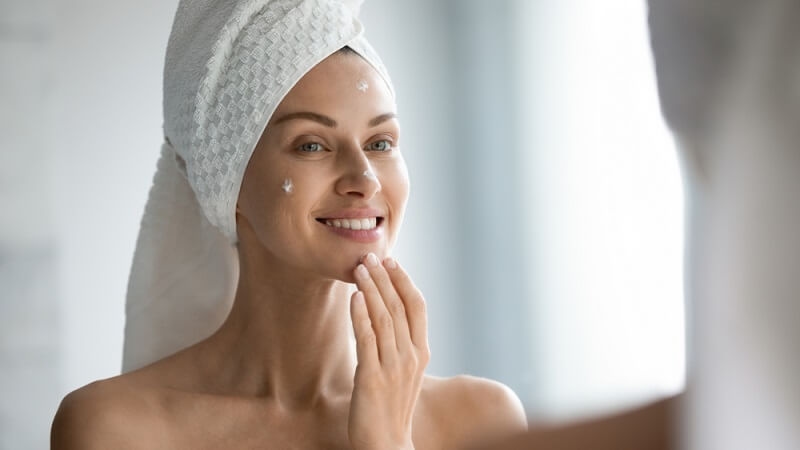
Many new makeup users want a natural makeup look that feels calm, soft, and subtle. Natural styles utilize fewer products, lighter colors, and gentle blending techniques. Teens often like this because it still shows their own skin instead of hiding it.
Popular ideas for natural finishes include:
These steps help daytime makeup feel easy, clean, and fresh.
The no-makeup makeup style remains a favorite because it keeps everything subtle and natural. This style appears to have no makeup, yet still adds a glow, smoothness, and shape.
Here’s what usually helps:
These steps blend easily and help beginners avoid harsh lines or intense color. They fit nicely inside any beginner makeup tutorial because they teach basic control.
Daytime makeup utilizes soft tones that appear bright without being overly bold. It helps the face look awake and comfortable for long hours. Many new learners use daytime makeup as a safe space to practice, as mistakes are less noticeable.
Good daytime ideas include:
These ideas cater to both teen makeup basics and natural makeup look goals, as well as no-makeup makeup plans.
Even if you only do three simple makeup steps, having good habits is essential. A good habit helps you achieve a smooth finish with your makeup while also protecting your skin, allowing you to continue this routine safely for an extended period.
Some helpful habits to develop are
Having these habits in place makes it easier to learn how to complete every beginner makeup tutorial successfully.
Color choices change everything. Many new makeup users struggle with finding the right shade match. Here’s the thing: simple guidelines make the entire process easier.
Basic shade matching tips:
These ideas support easy makeup steps and no-makeup makeup styles.
Tools help apply products smoothly. New users often feel shy around brushes, but simple tools make everything easier.
Useful items include:
These tools help teens make-up basics feel more controlled and less messy.
Making mistakes is a part of learning, and everyone has to go through it when first learning how to apply makeup. The best thing about beginner errors is that they can give a feeling of increased confidence after being corrected.
These suggest the growing popularity of the natural makeup and no-makeup look.
Once someone learns easy makeup steps, a daily routine becomes less stressful. Daytime makeup routines usually feel clean and safe for school, work, or simple outings.
A basic daily flow might include:
This routine supports beginners without adding pressure.
For beginners, makeup tutorials can advance with practice, as teens and adults often introduce new variations of colors or techniques. However, all of these variations must continue to adhere to the same basic principles of gently blending and caring for your skin.
Alternatives to consider when advancing makeup skills:
Adding these steps enables an expansion of a teenager's understanding of fundamental makeup concepts. Still, it also allows the use of more than one method to achieve a particular look without being rushed.
A beginner makeup tutorial should feel simple, friendly, and steady. With teen makeup basics, easy makeup steps, and gentle techniques, anyone can create a natural makeup look that suits daytime needs. No-makeup makeup choices also help beginners stay confident. Each step builds comfort and skill while keeping beauty routines fun and safe.
A light base, concealer, soft blush, mascara, brow brush, and lip balm typically provide beginners with everything needed for simple, everyday looks.
Using tinted moisturizer, cream blush, soft mascara, and neutral tones helps keep the look light and fresh.
Yes, the style gives a clean, soft finish that works well for school, work, or casual outings.
Using small amounts of product, blending slowly, choosing gentle colors, and practicing basic routines all help avoid common errors.
This content was created by AI