

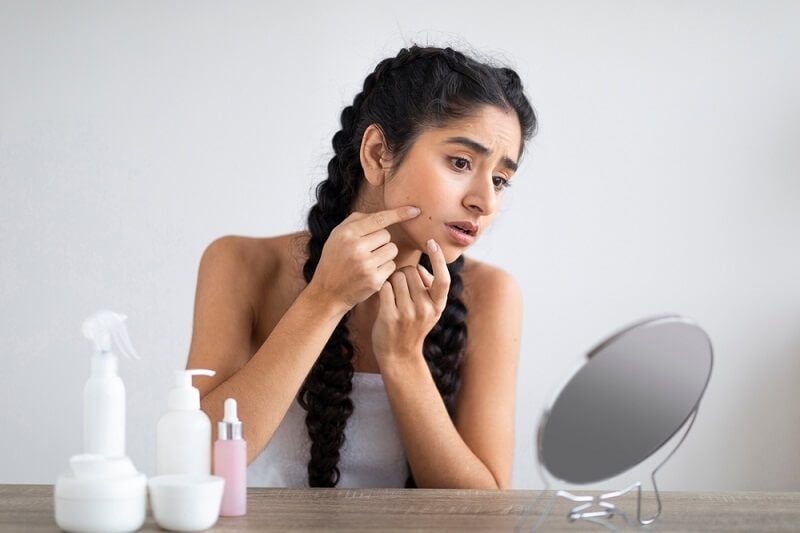
Teen skin can be unpredictable. One morning it looks fine, and by the afternoon there’s a sudden breakout that seems to have appeared out of nowhere. It happens to almost every teenager, even though it feels like a personal attack when it shows up on your own face. The good thing is that there are ways to make the chaos a little easier to manage. And honestly, starting with natural skincare tips is one of the simplest and safest steps teens can take.
The teenage years bring hormonal shifts, school pressure, odd sleeping schedules, and occasional junk-food adventures. None of these do the skin any favours. So choosing gentle habits, sticking to organic products, drinking more water, and keeping things consistent can make a surprisingly big difference. Teen skin doesn’t need a complicated routine. It just needs the right habits.
Below are ten simple habits teens can practise daily. They don’t require much money, effort, or time, but they can genuinely improve skin over a few weeks.
A lot of teens wash their face too many times because they think it will remove oil and prevent acne. It actually does the opposite. Overwashing forces the skin to produce more oil.
A gentle cleanser twice daily is ideal. Look for non-stripping formulas or chemical-free skincare options that clean without burning or drying the skin out.
Skipping moisturiser is one of the biggest mistakes teens make. Oily skin still needs hydration. When the skin is dehydrated, it produces more oil to compensate.
Lightweight gels, aloe-based moisturisers, or creams made for sensitive skin care work best. They’re soothing, breathable, and won’t clog pores easily.
It sounds boring, but the skin really does look different when the body is hydrated. Teens often don’t notice how little water they drink because they’re distracted by school, activities, or simply forgetting.
Drinking more water helps the skin glow without needing any special ingredient. Even small changes, like carrying a water bottle, make a big difference.
Teens love experimenting, and skincare becomes much more fun when they can make something themselves. DIY facemasks using honey, yoghurt, turmeric, oats, or aloe can calm sensitive or irritated skin.
They’re not miracle fixes, but they give a gentle treatment without any hidden chemicals. The key is not to mix too many random ingredients at once. Simple is always safer.
This is the one step most teens ignore until later in life. Sunscreen protects the skin from UV damage, dark spots, and early ageing.
There are many light, non-greasy sunscreens today, including eco-friendly beauty options that feel comfortable even in hot weather. Sunscreen helps prevent long-term damage that teens don’t usually think about yet.

Teenagers don’t need a perfect diet, but balance helps. Too much sugar and oily snacks can worsen breakouts. Fruits, vegetables, nuts, and good proteins support skin healing naturally.
The skin often reflects what’s happening inside the body. When teens improve even one mealtime habit, their skin usually shows improvements.
This is a habit most teens don’t even realise they have. Touching the face during class, picking at pimples, scratching dry areas, rubbing eyes during late-night studying.
All these tiny actions irritate the skin and spread bacteria. It’s hard to break the habit, but becoming aware of it is a useful start.
Pimple popping feels satisfying for two seconds and then creates scars that last months. Instead of squeezing, teens should use mild spot treatments or warm compresses.
If acne becomes severe, it’s better to seek advice instead of trying a thousand different products. Natural routines help, but some conditions need proper guidance.
Late nights become a normal part of teen life. Homework, scrolling, chatting, gaming, or just not feeling sleepy. But lack of sleep always shows up on the skin.
Dark circles, dullness, and breakouts all increase when the body doesn’t rest enough. Even adding 30 minutes of extra sleep can help the skin reset.
Makeup isn’t harmful when used correctly, but not cleaning brushes or sleeping with makeup on is. That’s where problems begin. Teens should use breathable makeup or organic products when possible and ensure they remove everything before bed.
Makeup isn’t the enemy; poor hygiene is.
One big mistake teens make is trying to follow a routine that’s too long or too complicated. They get excited, buy lots of products, follow it for two days, and then forget.
A simple routine is easier to follow:
Keeping things simple reduces stress and prevents skin from reacting to too many new products at once.
Consistency matters more than anything else. Even the best natural skincare tips won’t help if they’re only followed occasionally. When teens notice small improvements, their confidence grows, and the routine becomes easier to maintain.
Not every natural method works for every teen. Skin types differ. Hormones differ. Routines differ. Teens should pay attention to what feels good and what irritates their skin.
For example, aloe might soothe one person but feel sticky to someone else. A honey mask may clear breakouts for one teen but clog pores for another.
The key is to experiment slowly and avoid layering too many ingredients or products at once.
Using organic products or chemical-free skincare options helps reduce irritation, especially for those with sensitive skin care needs.
Many teens also care about the environment, which makes eco-friendly beauty choices feel more meaningful.
Teenagers often rush into solutions trying to “fix” their skin overnight. But natural skincare is more of a journey than a destination.
Small habits like drinking more water, protecting skin from the sun, choosing breathable makeup, and staying consistent eventually pay off. And unlike heavy products, these habits support skin health long term.
Natural skincare routines also help teens build confidence. When they see fewer breakouts or calmer skin, they feel more comfortable in their own skin literally and emotionally.
Teenagers often jump toward products that promise a “quick fix.” Strong exfoliators, harsh spot treatments, or drying cleansers can feel tempting because they sound powerful. But powerful isn’t always good. Teen skin is still figuring itself out. It’s sensitive in ways teenagers don’t always realize.
That’s why many dermatologists suggest starting with smaller steps: mild cleansers, moisturisers suitable for sensitive skin care, and ingredients that don’t trigger irritation. Natural routines focus more on balance than intensity. And when the goal is long-term healthy skin, balance always wins.
Plus, with the rise of eco-awareness, teens enjoy choosing eco-friendly beauty products that feel kinder to the planet and to their skin. It gives them a sense of responsibility and control, which is honestly pretty motivating.
Most are safe, but patch testing is important. Even natural ingredients can irritate certain skin types.
No, severe acne needs medical treatment. Natural routines help reduce irritation and support overall skin health.
Once or twice a week is enough. Too much can irritate the skin, even with gentle ingredients.
This content was created by AI